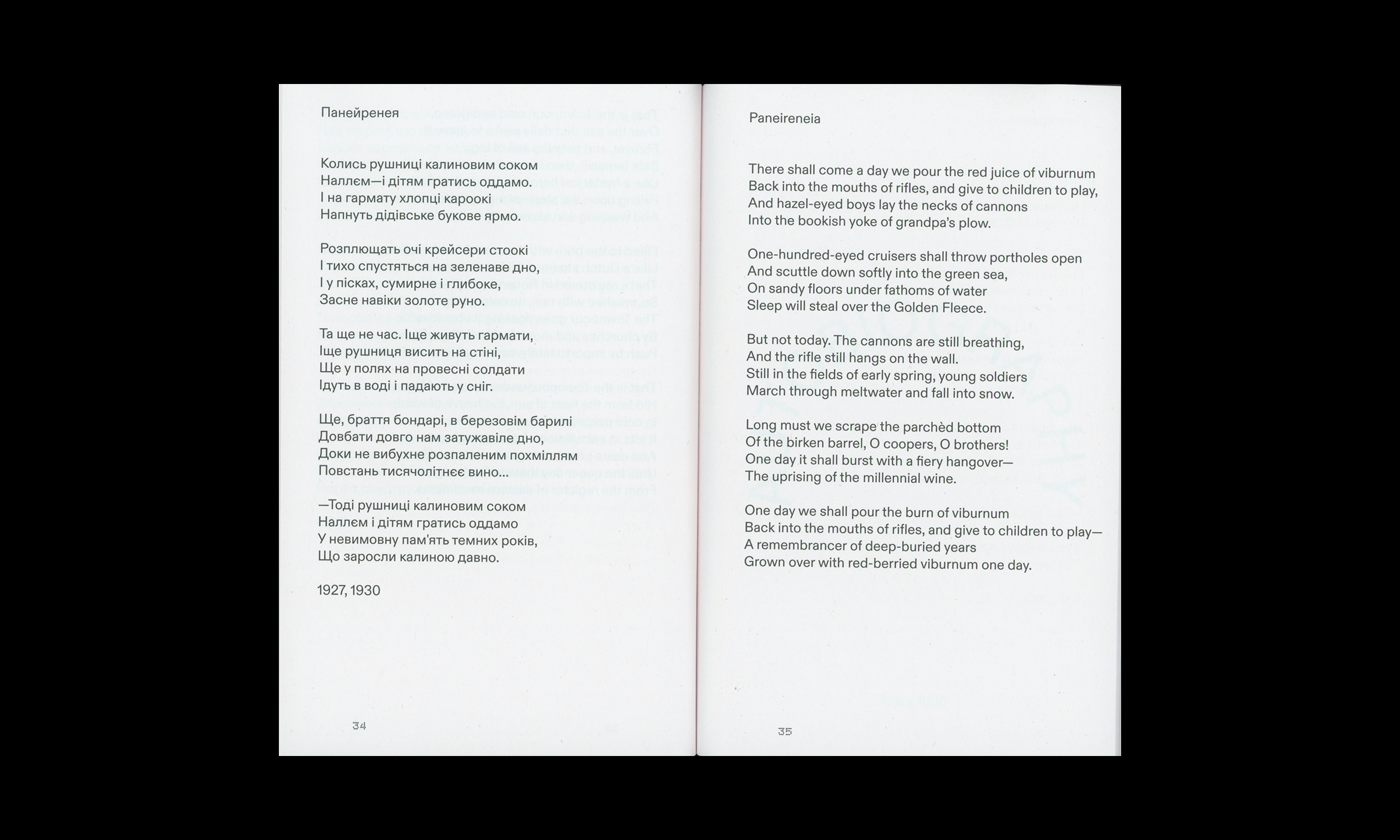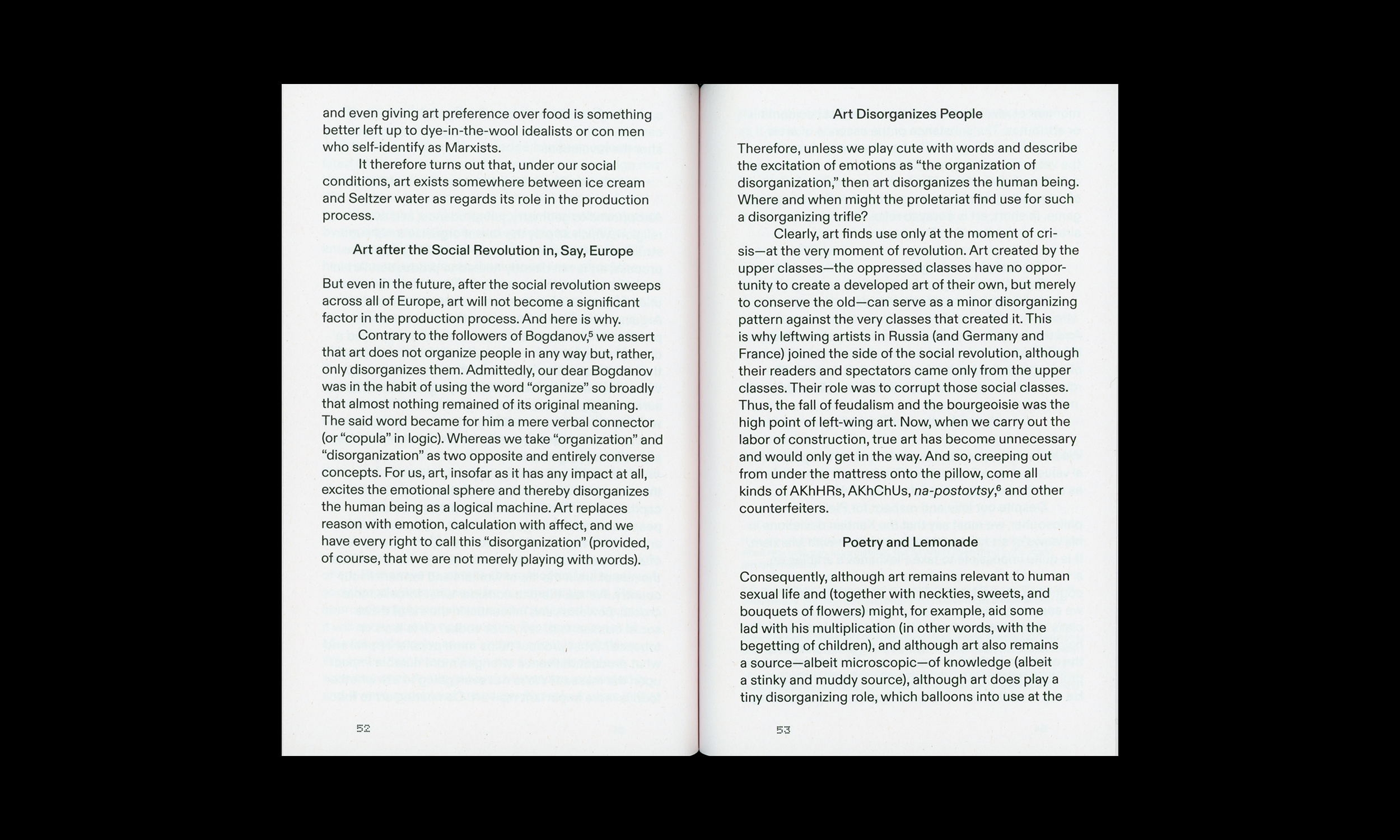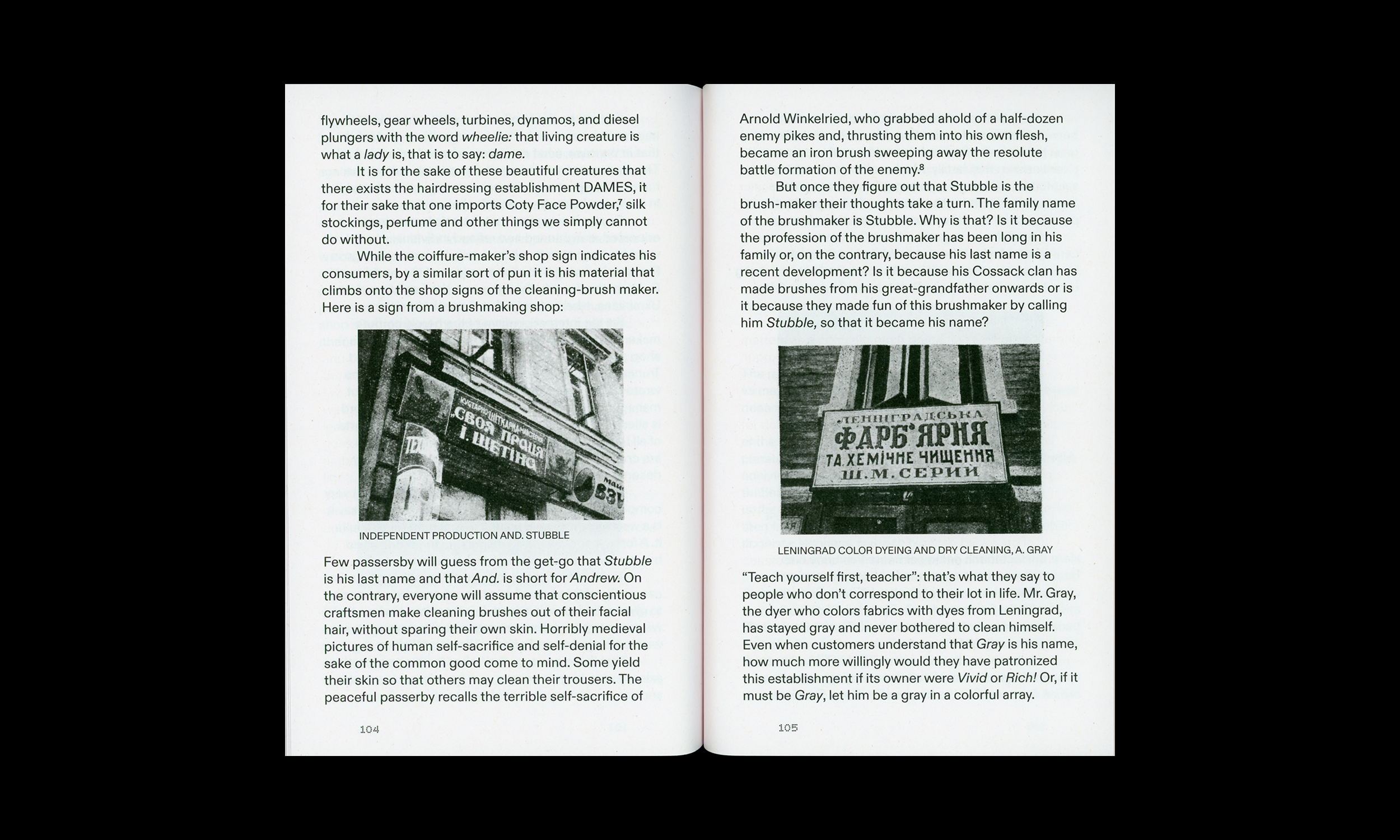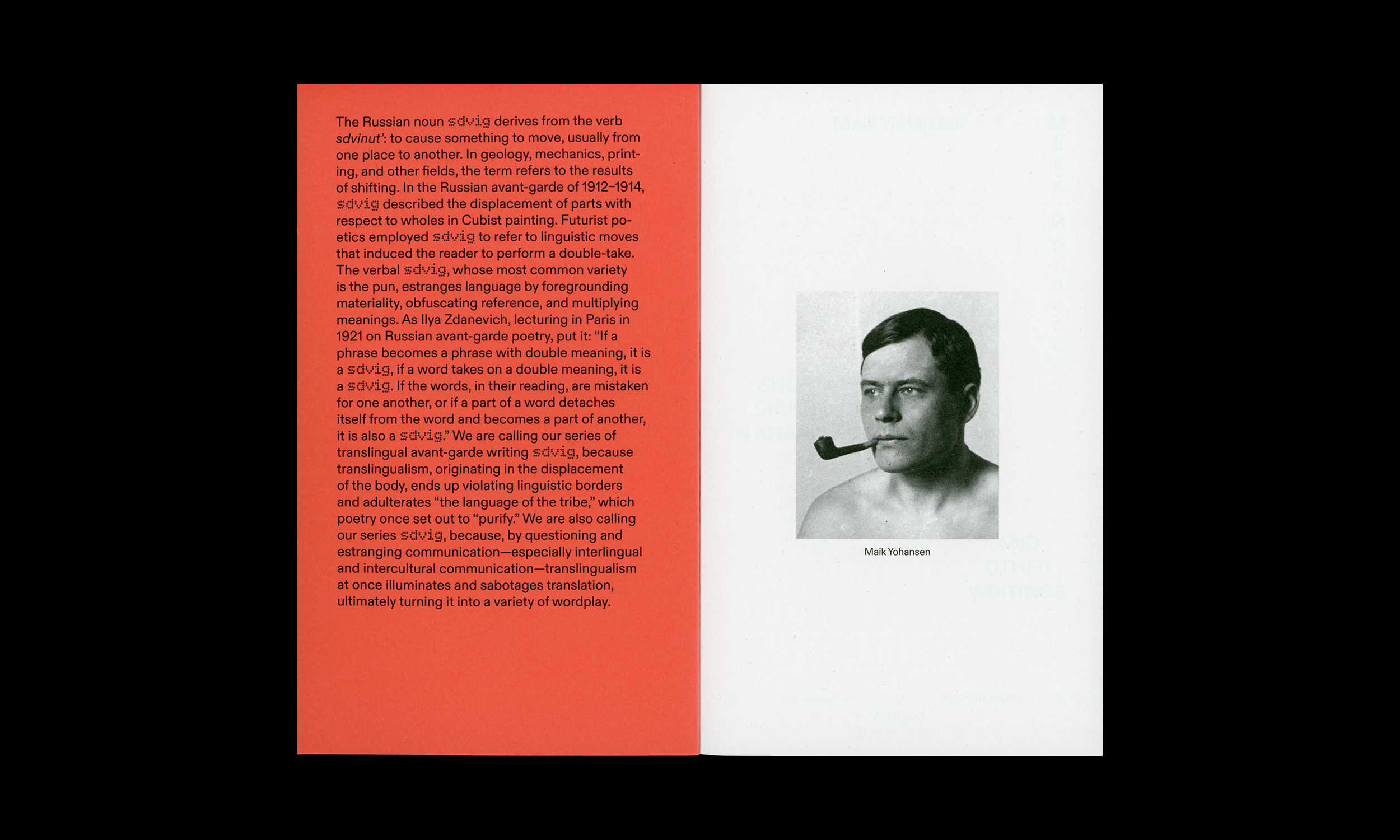
Maik Yohansen (1895–1937) was a witty and innovative modernist writer in 1920s Ukraine. This small selection of his work includes How to Write Short Stories, a whimsical guide to the art of short-story writing, informed by Formalist and Marxist criticism the author can’t help lampooning. It also includes Shop Signs in Kharkiv, a short and irreverent essay on language politics in Soviet Ukraine a decade after the fall of the Russian Empire. And it includes an autobiography and a selection of Yohansen’s masterful poetry in the original and translation.
Everything that Yohansen did—whether fiction, or cultural criticism, or linguistics, or screenwriting, or even autobiographical sketches—he did as a poet, listening to and playing with language. He dedicated his life to achieving equality for Ukrainian as a medium for world literature. In 1937 Maik Yohansen was shot on trumped-up terrorism charges in the mass purge of authors whom Ukrainians now call “the Executed Renaissance.”
Translated by poet Eugene Ostashevsky, Yohansen’s writings are introduced by Galina Babak, scholar of Ukrainian Formalism.
You can order the book directly from us or from our distributors.
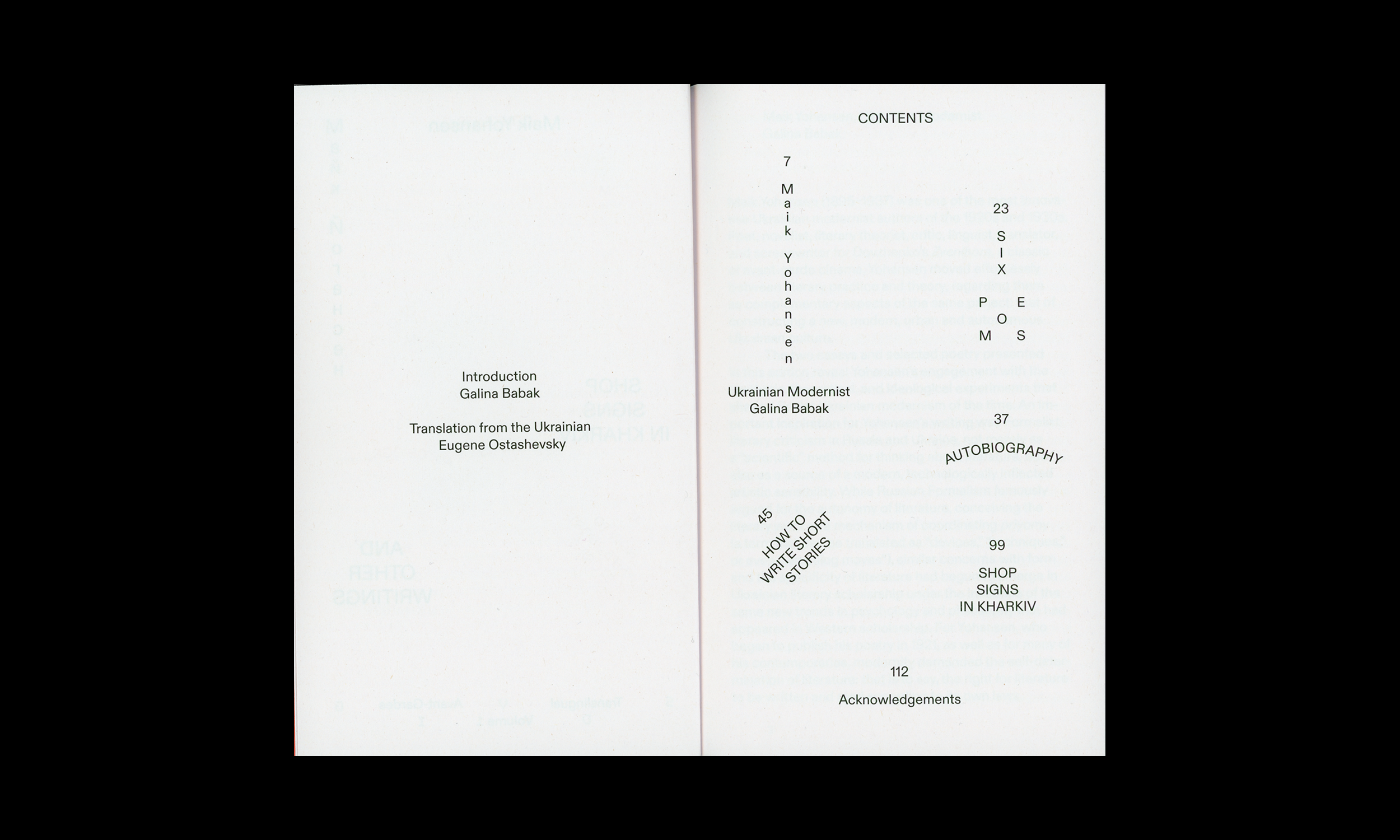
Maik Yohansen’s Shop Signs in Kharkiv and Other Writings is the second volume of the sdvig series, dedicated to translingual avant-garde writing.
Sdvig, a term used by the historical avant-garde in the late Russian Empire and the early Soviet Union to describe distortion and fracture of communication norms, derives from the verb sdvinut’: to cause something to move, usually from one place to another. On the verbal plane, the most common variety of sdvig is the pun, which estranges language by foregrounding materiality, obfuscating reference, and multiplying meanings.
We are calling our series of translingual avant-garde writing sdvig, because translingualism, originating in the displacement of the body, ends up violating linguistic borders and adulterates “the language of the tribe”, which poetry once set out to “purify”. We are also calling our series sdvig, because, by questioning and estranging communication—especially interlingual and intercultural communication—translingualism at once illuminates and sabotages translation, ultimately turning it into a variety of wordplay.
Sdvig: translingual avant-gardes is edited by poet and translator Eugene Ostashevsky.
The sdvig series is designed by Bardhi Haliti.